
Review Article 
 Creative Commons, CC-BY
Exploring Circadian Rhythms: A Comprehensive Study on Sleep Patterns and Disorders in Syrian Society
*Corresponding author: Nasser Thallaj, Pharmaceutical chemistry and drug quality control Department, Faculty of Pharmacy, Al-Rachid privet University, Damascus, Syria. ORCID ID: 0000-0002-6279-768X.
Received: February 02, 2025; Published: March 12, 2025
DOI: 10.34297/AJBSR.2025.26.003416
Abstract
This study investigates the understanding and implications of circadian rhythms within a segment of Syrian society, focusing on the associations between age, gender, sleep patterns, and mental health. An electronic questionnaire was disseminated via social media from December 11 to December 17, 2024, garnering responses from 207 participants. The questionnaire encompassed demographic data, knowledge of the biological clock, sleep habits, and factors influencing sleep quality. Findings revealed that 84.1% of participants acknowledged the existence of a biological clock, with knowledge varying by gender and age. A significant portion reported irregular sleep patterns, with 45.4% describing their sleep as inconsistent. Moreover, 33.9% experienced difficulty falling asleep, while 37.6% reported fatigue after a full night’s sleep. The results indicated that 55.6% of respondents believed that lack of sleep adversely affected their daily functioning, and 38.2% linked sleep difficulties to mood disturbances. Circadian disorders were prevalent, with 26.6% of participants expressing concerns about sleep disturbances. The study highlights the intricate relationship between circadian rhythms, sleep quality, and mental health, exacerbated by socio-political challenges in the region. These findings underscore the necessity for further research into the factors affecting sleep and circadian health in Syrian society, as well as the potential development of targeted interventions to improve sleep quality and mental well-being.
Keywords: Circadian rhythms, Biological clock, Sleep disorders, Syrian society, Mental health
Introduction
Circadian rhythms are essential biological processes that regulate various physiological functions in living organisms, including sleep-wake cycles, hormone release, and metabolic activity [1]. These internal biological clocks operate on a roughly 24-hour cycle and are influenced by external environmental cues, particularly light and temperature [2]. The term “circadian” originates from the Latin words “circa,” meaning “around,” and “diem,” meaning “day,” reflecting the cyclical nature of these rhythms. Understanding the mechanisms and implications of circadian rhythms is crucial, particularly in light of the increasing prevalence of sleep disorders and mental health issues globally. In recent years, research has highlighted the critical role of circadian rhythms in maintaining overall health and well-being [3]. Disruptions to these rhythms can lead to various health problems, including sleep disorders, obesity, metabolic syndrome, cardiovascular diseases, and mood disorders [4]. The World Health Organization has even classified shift work and circadian rhythm disruptions as potential carcinogens, underlining the serious health ramifications associated with these disturbances. In this context, it is imperative to explore the knowledge and perceptions regarding circadian rhythms within specific populations, particularly in societies experiencing socio-political challenges [5].
The Syrian Republic, marked by prolonged conflict and socio- political instability, presents a unique environment for examining the understanding of circadian rhythms and their implications on sleep and mental health [6]. The ongoing crisis has led to significant disruptions in daily life, affecting routines, access to healthcare, and overall well-being. As a result, the population may experience altered sleep patterns and heightened levels of stress, anxiety, and depression [7]. Understanding how these external stressors impact circadian health is essential for developing targeted interventions to improve mental and physical well-being in this context. [8] Despite the critical importance of sleep and circadian health, there is limited research focusing on these issues within the Syrian population [9]. Previous studies in other regions have demonstrated a strong correlation between sleep quality, mental health, and circadian rhythms. However, the unique socio-political landscape in Syria necessitates a tailored investigation to assess the prevalence of sleep difficulties, knowledge of circadian rhythms, and the factors influencing these aspects in the local context [10].
The primary objective of this study is to investigate the understanding of circadian rhythms among a segment of Syrian society and to explore the associations between age, gender, sleep patterns, and mental health.[11] By disseminating an electronic questionnaire through social media platforms, this study aims to gather comprehensive data on participants’ demographic information, knowledge of the biological clock, sleep habits, and the prevalence of sleep difficulties and circadian disorders [12]. The questionnaire encompasses several themes: demographic information, awareness of the biological clock, relationships between the biological clock and morning activity, circumstantial sleep patterns, and the impact of various factors on sleep quality [13]. Additionally, the study seeks to examine the mood and daily functioning of participants in relation to their sleep patterns and the prevalence of circadian disorders. By identifying these relationships, the study aims to contribute valuable insights into the interplay between circadian rhythms and overall health in the context of the Syrian population. Moreover, the findings of this study will shed light on the existing knowledge gaps regarding circadian rhythms and sleep disorders in Syria, paving the way for future research and public health initiatives [14]. It is anticipated that the results will reveal the extent of awareness surrounding the biological clock and its influence on daily life, as well as highlight the potential areas for intervention to enhance sleep quality and mental well-being [15].
In conclusion, the importance of circadian rhythms cannot be overstated, as they play a fundamental role in regulating various physiological processes critical to health and well-being [16]. This study addresses a significant knowledge gap regarding circadian rhythms and sleep health in the Syrian context, particularly given the socio-political challenges faced by the population [17]. By investigating the associations between circadian knowledge, sleep patterns, and mental health, this research aims to inform future public health strategies and interventions tailored to the unique needs of the Syrian society [18]. Ultimately, understanding and addressing circadian health is vital for improving the overall quality of life and mental well-being in populations affected by conflict and instability [19].
Objective
The primary aim of this study is to conduct a comprehensive investigation into the understanding of circadian rhythms, commonly referred to as the biological clock, within a specific segment of Syrian society. This investigation will explore how knowledge of these rhythms correlates with demographic factors such as age and gender.
Additionally, the research seeks to assess the prevalence of various factors that influence the biological clock and overall sleep quality. This includes examining lifestyle habits, environmental influences, and behavioural patterns that may disrupt or enhance circadian functioning.
Another critical objective of this study is to evaluate the prevalence of sleep difficulties reported by participants. This will involve analysing the relationship between sleep disturbances and various psychological outcomes, including mood, daily performance, and overall mental health. By establishing these associations, the study aims to provide insights into how sleep quality impacts daily functioning and emotional well-being.
Lastly, the research will include a screening process to identify the prevalence of circadian disorders within the population. This screening will help elucidate the extent to which these disorders affect individuals’ lives and contribute to the broader understanding of sleep health in a context marked by socio-political challenges. Through these objectives, the study aims to provide valuable insights that can inform targeted interventions and public health strategies to improve sleep quality and mental well-being in Syrian society.
Methods
Data for this study were collected through the administration of an electronic questionnaire, which was disseminated via social media platforms from December 11 to December 17, 2024. A total of 207 participants responded to the survey invitation, providing a diverse sample for analysis [18].
The questionnaire was designed to encompass several key themes that are critical to understanding circadian rhythms and sleep health. Initially, demographic information was gathered, including participants’ gender, age, educational level, educational attainment, and nature of occupation. This data allows for a nuanced analysis of how these factors relate to knowledge and perceptions of the biological clock [19].
The survey included specific questions aimed at assessing participants’ knowledge of the biological clock, enabling an evaluation of their understanding of circadian rhythms and their significance in daily life. Furthermore, the questionnaire explored the connection between the biological clock and morning activity, investigating how awareness of these rhythms influences individuals’ daily routines [20].
To gain insights into participants’ sleep behaviours, the questionnaire examined circadian patterns and sleep habits, providing data on sleep duration, consistency, and variations across weekdays and weekends. Additionally, the survey addressed the prevalence of sleep difficulties, capturing the frequency and types of sleep disturbances experienced by participants.
Factors affecting sleep quality were also a focal point, with questions designed to identify lifestyle choices, environmental conditions, and psychological factors that may contribute to sleep issues. The impact of sleep difficulties on mental health, daily functioning, and mood was assessed to understand the broader implications of sleep quality on overall well-being.
Moreover, the questionnaire included inquiries about seasonal time preferences, allowing for an exploration of how changes in daylight and seasonal variations influence sleep patterns and circadian rhythms. Lastly, participants were screened for circadian disorders, with questions aimed at identifying conditions such as delayed sleep phase disorder and other related sleep disturbances.
Results
Demographic Information
The demographic characteristics of the study participants were systematically analysed, focusing on gender, age, educational level, educational attainment, and nature of occupation. A total of 207 individuals participated in the survey, providing a robust dataset for evaluation. Of the respondents, a significant majority were female, comprising 76.8% (n=159) of the total sample. In contrast, male participants accounted for 23.2% (n=48). This gender distribution highlights a notable imbalance, which may influence the findings related to sleep patterns and circadian rhythms.
The age distribution revealed that the most represented age group was 18 to 30 years, which included 15.5% of male respondents and a substantial 56% of female respondents, resulting in a total representation of 71.5% for this age bracket. This demographic insight is crucial, as younger individuals often exhibit distinct sleep patterns and circadian preferences compared to older populations. Regarding educational status, the majority of participants were students, with 63.3% pursuing university education and 26.6% engaged in secondary education. This high level of educational attainment among the participants may reflect socio-economic factors and the accessibility of education in the region, which could also play a role in their awareness and understanding of circadian rhythms and sleep health. The demographic data presented in this study is visually summarized in Table 1 and illustrated in Figures 1, characteristics. These findings offer a foundational understanding of the sample population, setting the stage for further analysis of the biological clock, sleep habits, and mental health outcomes.

Figure 1: Distribution of age groups by sex, age group in years on the X axis, and percentage representation of the age group in relation to the total participants on the Y axis.

Figure 2: Distribution of participants’ level and educational attainment by sex.
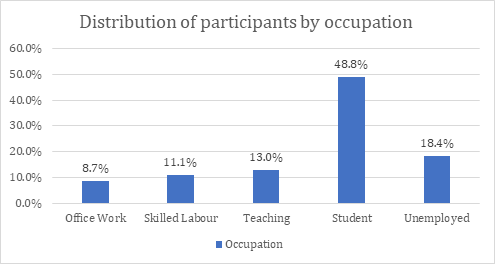
Figure 3: Distribution of participants by occupation.
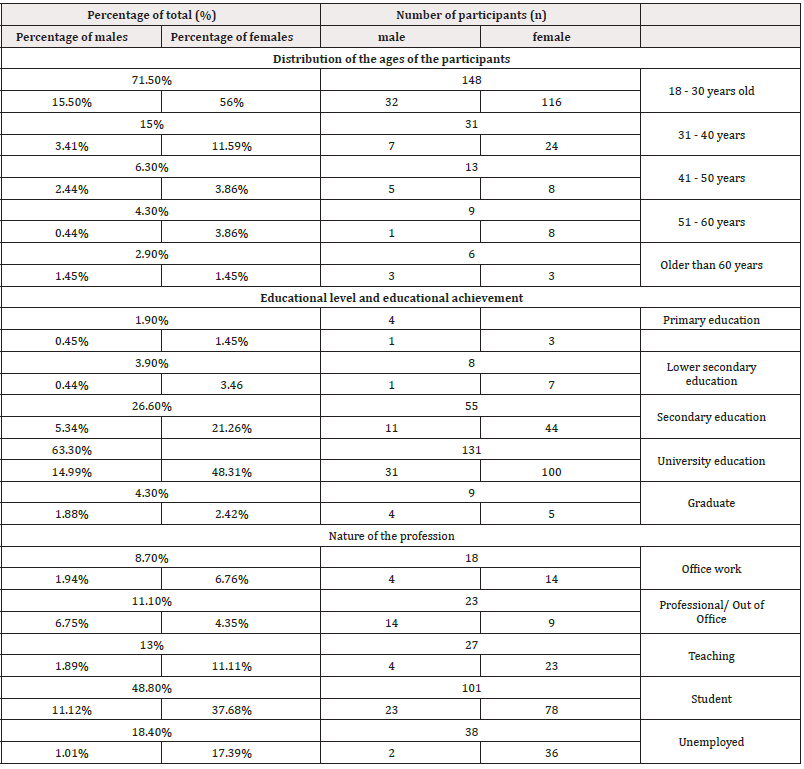
Table 1: Demographic information of participants.
IG: intervention group; CG: control group
Knowledge of the Biological Clock
The survey findings indicate that a significant majority of participants, specifically 84.1% (n=174), acknowledged awareness of the concept of the biological clock, commonly referred to as circadian rhythms. This high level of recognition suggests a general understanding of the physiological processes regulating sleep-wake cycles among the population surveyed. Conversely, a smaller proportion of respondents reported having no prior knowledge of the biological clock.
A deeper analysis of the data revealed notable gender differences in the awareness of the biological clock. Among male participants, 87.5% expressed familiarity with the concept, while female participants exhibited a slightly lower level of awareness at 83.01%. This discrepancy, illustrated in Figure 4, suggests that men may possess a marginally greater understanding of circadian rhythms compared to women, potentially influenced by factors such as educational background or social discourse surrounding sleep health.

Figure 4: Linking knowledge to sex, the total number of people of both sexes (blue), the number of people who have never heard of the biological clock (red), the number of people who have previously heard of the biological clock (green).
When examining knowledge across different age groups, the results further elucidate variations in awareness. Among participants aged 18 to 30 years, 85.13% reported knowledge of the biological clock, indicating a strong recognition in this younger demographic. The 31 to 40-year age group showed a slightly lower awareness at 80.65%. Participants aged 41 to 50 years demonstrated an awareness level of 84.61%, while those in the 51 to 60 age brackets had an even higher recognition rate of 88.89%. However, awareness significantly decreased in participants over 60 years of age, with only 66.67% acknowledging familiarity with the biological clock, as shown in Figure 5.
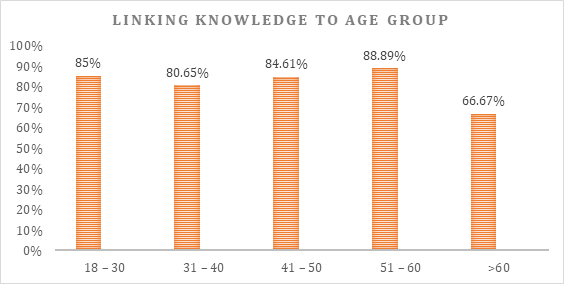
Figure 5: Linking knowledge to age group.
Linking the Biological Clock to Morning Activity
A substantial portion of participants, specifically 79.7%, reported experiencing the typical functioning of circadian rhythms, characterized by peak activity levels in the morning followed by a gradual decline throughout the day. This aligns with the commonly observed pattern in which individuals generally feel more energetic and alert during the early hours, transitioning into feelings of lethargy as the afternoon progresses.
Despite this acknowledgment of circadian dynamics, a striking 80.7% (n=167) of participants were unable to explicitly connect their circadian rhythms to their morning activity levels. This finding is particularly noteworthy given that 76.8% (n=159) of respondents indicated an awareness of the role of the biological clock in regulating sleep and wakefulness. This discrepancy suggests a potential gap in the participants’ understanding of how their biological clocks specifically influence their daily energy levels and productivity in the morning.
Circadian Patterns and Sleep Habits
When examining circadian patterns and sleep habits, 45.4% (n=94) of participants characterized their sleep as irregular, indicating a lack of consistency in sleep patterns. Additionally, a significant proportion-24.6% (n=51)-reported uncertainty regarding their circadian patterns, with 50.2% identifying as morning types and 25.1% as evening types. This uncertainty may reflect a broader confusion about personal sleep preferences and patterns.
Moreover, over two-thirds of the respondents (70.5%, n=146) indicated that they rely on alarms to wake up on most days, suggesting a dependence on external cues to regulate their sleep-wake cycles. Only 14.5% (n=30) of participants reported working night shifts, a factor that could significantly disrupt circadian rhythms.
The study also highlighted concerning trends regarding light exposure and sleep quality. A considerable 77.3% (n=160) of participants reported exposure to bright light or screens before bedtime, which is known to adversely affect sleep quality by inhibiting melatonin production. Furthermore, 22.2% (n=46) experienced sleep disturbances following long flights in the past year, indicating that travel-related disruptions may impact circadian rhythms.
In terms of sleep duration, 19.3% (n=40) of participants reported getting less than 6 hours of sleep, while the majority-63.8% (n=132)-averaged between 6 to 8 hours. A smaller group, 16.9% (n=35), reported sleeping more than 8 hours, as depicted in Figure 6.

Figure 6: The percentage distribution of the number of participants according to the number of hours of sleep.
Regarding lifestyle factors, 59.9% (n=124) of participants consumed caffeine or stimulants later in the day, potentially contributing to sleep difficulties. Additionally, 10.6% (n=22) acknowledged having another medical condition that affects their sleep, while 7.7% (n=16) reported taking medications or herbal supplements to aid sleep. Lastly, 21.7% (n=45) noted that their sleep patterns were influenced by their eating schedules, further illustrating the multifaceted nature of factors that contribute to sleep quality and circadian health (Figures 6,7).
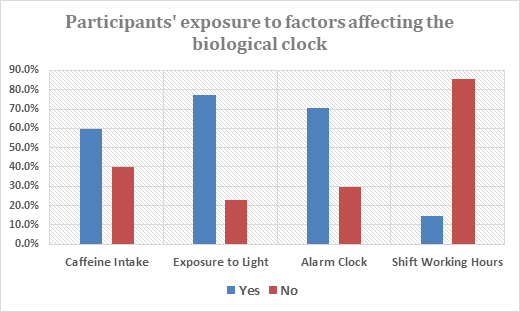
Figure 7: Participants’ exposure to factors affecting the biological clock.
Sleep Difficulties
The prevalence of sleep difficulties among participants was systematically assessed and is detailed in Table 2. A variety of sleep-related issues were reported, highlighting the complexity of sleep health within the population. Specifically, 33.9% of participants indicated experiencing challenges with falling asleep, a common concern that can significantly impact overall well-being and daily functioning.
Additionally, a notable 37.6% reported feeling fatigued even after a full night’s sleep, suggesting that factors beyond sleep duration, such as sleep quality or underlying health issues, may be at play. Daytime sleepiness was also a prominent issue, affecting 24.6% of respondents, which can detrimentally influence alertness and productivity during daily activities.
Participants also reported difficulty sleeping at night despite feeling tired, with 28.5% acknowledging this struggle. This phenomenon may reflect disruptions in circadian regulation or other psychological factors that inhibit the ability to initiate sleep. Furthermore, 23.7% of respondents noted waking up during the night and experiencing challenges in returning to sleep, indicating potential disturbances in sleep continuity.
Drowsiness at unusual times, such as in the morning or early afternoon, was reported by 29.4% of participants, an issue that may signal misalignment between their biological clocks and daily schedules.
Figure 8 visually represents the prevalence of these various sleep difficulties among the participants, providing a clearer understanding of the scope and nature of sleep-related challenges faced by this population. This data underscores the need for targeted interventions to address these common sleep issues and improve overall sleep quality and health (Table 2).
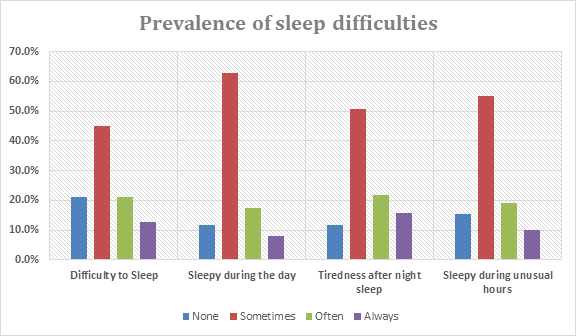
Figure 8: Prevalence of sleep difficulties.

Table 2: Sleep difficulties in participants and their impact on mood, daily functioning and mental health.
IG: intervention group; CG: control group
Factors Affecting Sleep Quality
Several factors contribute to poor sleep quality among participants, as evidenced by their reported experiences of difficulty falling asleep at night, waking during sleep, and challenges in returning to sleep after such awakenings. These issues are indicative of disrupted sleep patterns and can significantly compromise overall sleep quality, leading to negative consequences for physical and mental health.
The inability to fall asleep despite feelings of fatigue suggests a misalignment between the body’s biological signals and actual sleep onset, which may be influenced by various psychological or environmental factors. Additionally, frequent awakenings during the night can fragment sleep, preventing individuals from achieving the restorative stages necessary for optimal functioning.
Figure 9 illustrates the prevalence of these factors contributing to poor sleep quality among the participants. This visual representation underscores the complexity of sleep disturbances and highlights the need for further investigation into the underlying causes and potential interventions aimed at improving sleep health. Understanding these factors is essential for developing effective strategies to enhance sleep quality and, consequently, the overall well-being of individuals affected by these challenges.
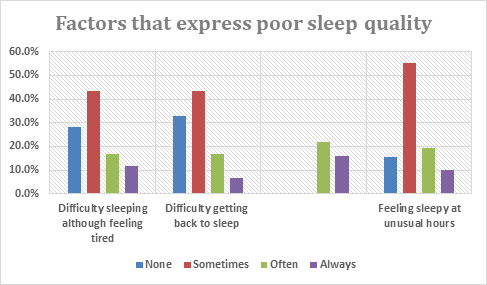
Figure 9: Factors that express poor sleep quality.
Effects of Sleep Difficulties
The repercussions of sleep difficulties on various aspects of individuals’ lives were notably significant among participants. Specifically, 38.2% reported a direct connection between their sleep challenges and mood disturbances, indicating that insufficient or poor-quality sleep may exacerbate feelings of irritability or emotional instability.
Furthermore, a substantial 55.6% of respondents acknowledged that inadequate sleep adversely affects their daily functioning. This suggests that sleep deprivation not only impairs cognitive abilities and concentration but may also diminish overall productivity and performance in day-to-day activities.
Additionally, 28.5% of participants associated their sleep difficulties with mental health concerns, such as depression or anxiety. This correlation highlights the bidirectional relationship between sleep and mental health, where disturbances in sleep can contribute to the onset or exacerbation of psychological conditions, and vice versa.
Figure 10 visually depicts the impact of sleep difficulties on mood, mental health, and daily functioning among the participants. This representation emphasizes the critical importance of addressing sleep issues to improve overall well-being and underscores the necessity for targeted interventions aimed at enhancing sleep quality as a pathway to better mental and emotional health outcomes.
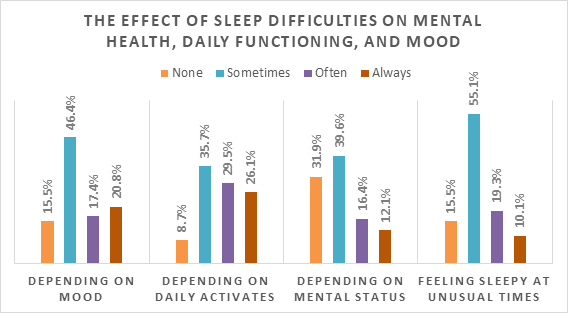
Figure 10: The effect of sleep difficulties on mental health, daily functioning, and mood.
Seasonal Time Change
The survey results indicate that a significant majority of participants, specifically 78.7% (n=163), reported sleeping more often during the winter months. This trend suggests a seasonal variation in sleep patterns, potentially influenced by factors such as decreased daylight exposure and changes in daily routines. Additionally, 52.2% (n=108) of respondents expressed a preference for adjusting their sleep schedules when transitioning from summer to winter, highlighting a recognition of the impact of seasonal time changes on their sleep behaviour. Conversely, approximately onethird of participants (30%, n=62) indicated a tendency to maintain their work schedules according to daylight saving time, suggesting variability in individual adaptability to seasonal shifts.
Circadian Disorders
Regarding circadian disorders, 26.6% (n=55) of respondents acknowledged experiencing genuine sleep disturbances, which may reflect underlying issues related to circadian misalignment or other sleep disorders. Notably, only five participants (2.4%) sought medical advice for their sleep issues, and all of these individuals’ received treatment, indicating a potential underutilization of healthcare resources for sleep-related concerns.
In terms of specific sleep disorders, 8.2% of participants identified themselves as having delayed sleep phase syndrome, while 10.6% reported experiencing early sleep phase syndrome. Additionally, 2.4% attributed their sleep difficulties to night shift work, emphasizing the challenges posed by irregular work schedules on sleep health. Alarmingly, nearly half of the participants reported experiencing symptoms of restless legs syndrome before or during sleep, which can significantly disrupt sleep quality. Furthermore, 16.9% of respondents indicated that they suffer from excessive daytime sleepiness, a condition that can impair daily functioning and overall well-being.
Table 3 and Figure 11 provide a comprehensive overview of the distribution of circadian disorders among participants, categorized by sex. This data underscores the importance of recognizing and addressing circadian disorders to promote healthier sleep patterns and improve quality of life.

Table 3: Prevalence of circadian disorders.
IG: intervention group; CG: control group
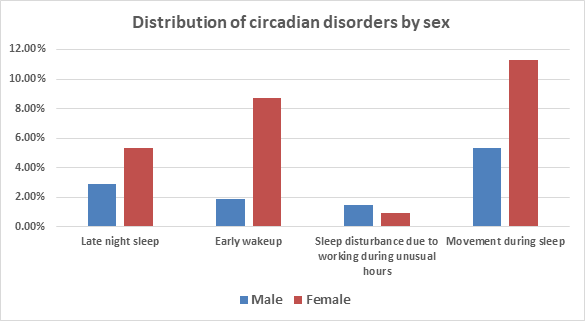
Figure 11: Distribution of circadian disorders by sex.
Discussion
Circadian sleep disorders are characterized by symptoms such as insomnia and excessive sleepiness, primarily arising from disruptions in the body’s internal circadian rhythms or a mismatch between these rhythms and external social environments. In addition to physiological and environmental influences, maladaptive behaviours-such as exposure to bright light and the consumption of stimulants prior to bedtime-play a significant role in the development of various sleep disorders associated with circadian misalignment. Common sleep disorders include delayed sleep phase disorder, advanced sleep phase disorder, irregular sleep-wake rhythm, shift work disorder, and jet lag disorder. Diagnostic tools, such as sleep diaries and activity monitoring logs, can aid in accurately diagnosing these conditions.
There is a notable scarcity of research on sleep disorders in the Syrian Republic, emphasizing the importance of the findings from the current study. The discussion below highlights key findings derived from the questionnaire administered to participants:
i. Sleep Duration: The American Academy of Sleep Medicine and the Sleep Research Society recommend that adults obtain a minimum of 7 hours of sleep per night. However, more than a quarter of adults in the United States fail to meet this guideline. Similarly, our study revealed that approximately 20% of respondents do not achieve this recommended sleep duration. ii. Sleep Quality: Indicators of good sleep quality include the ability to fall asleep promptly and the absence of frequent awakenings during the night. According to a 2020 study, 14.5% of U.S. adults reported difficulties in falling asleep most days. In contrast, 28.5% of participants in our study indicated they frequently or always struggle to fall asleep, even when feeling fatigued. Furthermore, while 17.8% of U.S. adults reported difficulties in maintaining sleep, 23.7% of participants in our study experienced similar challenges. The elevated prevalence of sleep difficulties in our findings may be attributed to the socio- political instability and conflict experienced in the Syrian Republic over the past decade. iii. Classification of Sleep Disorders: Individuals with sleep disorders can be categorized into three groups: those experiencing insomnia, those with behavioural and movement disorders during sleep (such as restless legs syndrome), and those suffering from excessive daytime sleepiness (such as narcolepsy). iv. Insomnia: Insomnia is the most prevalent sleep disorder, characterized by difficulties in initiating or maintaining sleep, which can lead to subsequent daytime impairments. Research indicates that approximately 33% of the adult population experiences symptoms of anxiety, with 6% to 10% meeting the criteria for insomnia disorder. In our study, 33.9% of participants reported significant challenges in falling asleep, suggesting a potential prevalence of chronic insomnia. v. Restless Legs Syndrome (RLS): Approximately half of the participants in our study reported experiencing sensations of restless legs before or during sleep. Research has shown that individuals with RLS are at a higher risk for developing sleep disorders, anxiety, and depression. The severity of RLS symptoms is often correlated with the degree of sleep disturbances, and some studies suggest it can negatively affect cognitive function. However, the current data is insufficient to diagnose or assess the prevalence of RLS comprehensively; thus, further research is warranted to explore the severity of symptoms and their association with sleep and circadian disorders. vi. Delayed Sleep Phase Disorder: Recent studies indicate that the prevalence of delayed sleep phase disorder ranges from 1% to 16%. Symptoms may include insomnia, disrupted sleep, and impaired daytime cognitive function. In our study, 8.2% of participants believed they had delayed sleep phase disorder. vii. Seasonal Time Changes and Circadian Disorders: Although half of the respondents expressed a desire for a consistent transition between summer and winter time, substantial evidence suggests that abrupt shifts from standard to daylight saving time can pose significant public health risks. These risks include increased incidences of cardiovascular events, mood disorders, and vehicular accidents. Moreover, remaining in daylight saving time may misalign with human biological rhythms, potentially leading to chronic circadian disruptions linked to increased risks of cardiovascular disease and metabolic syndrome. Consequently, the American Academy of Sleep Medicine advocates for the abolition of seasonal time changes in Favor of a fixed national time throughout the year. viii. Exposure to Screen Light Before Bed: The pervasive use of electronic devices, such as televisions, computers, and smartphones, has been associated with decreased sleep quality. Research indicates that the blue light emitted from these devices inhibits melatonin secretion, a hormone crucial for regulating circadian rhythms. The majority of participants reported exposure to screen light before bedtime, which may partially explain the high incidence of sleep difficulties observed in this study. ix. Sleep Difficulties and Mental Health: Sleep disorders are closely associated with mental health conditions, including depression and anxiety. There exists a bidirectional relationship between mood disorders and circadian rhythms, where insufficient sleep can both contribute to and exacerbate mental health issues. Circadian disruptions may affect mood regulation and cortisol secretion, with factors such as travel, night shift work, and exposure to artificial light at night intensifying emotional symptoms in vulnerable individuals. x. Daily Functioning: Research involving large community samples indicates that insufficient sleep duration is associated with greater adverse effects on functioning the following day, revealing a nonlinear relationship. Optimal sleep duration appears to range between 7.5 and 10.5 hours, correlating with minimal negative impacts on daily functioning. xi. Impact of Sleep Deprivation on Mood: Previous studies have demonstrated that lack of sleep can elevate negative mood states, including anger, hostility, and anxiety, particularly among younger populations. Additionally, sleep deprivation significantly diminishes positive mood states and impairs emotional regulation. These findings highlight the overall detrimental effects of insufficient sleep on emotional outcomes, with implications for the onset of mental health disorders and general well-being.
Conclusion
This study offers valuable insights into the understanding of circadian rhythms and their significant implications for sleep patterns and mental health within the Syrian society. The results indicate a considerable level of awareness regarding the concept of the biological clock among participants. However, they also expose critical gaps in knowledge regarding how circadian rhythms influence daily functioning. The high prevalence of sleep difficulties- encompassing issues such as insomnia and excessive daytime sleepiness-highlights an urgent need to identify and address the underlying factors contributing to poor sleep quality in this context.
An examination of demographic variables, including age and gender, revealed distinct patterns in both awareness and sleep behaviours. These findings suggest that tailored educational interventions could effectively enhance public understanding and management of circadian health. Moreover, the observed associations between sleep difficulties and mood disturbances point to a bidirectional relationship that deserves further investigation, particularly in populations affected by socio-political stressors.
In light of the ongoing socio-political challenges faced by the Syrian population, the findings of this study underscore the critical need for comprehensive public health strategies aimed at improving sleep quality and overall mental well-being. Future research should prioritize the development of targeted interventions that address the specific needs of this community, thereby fostering a deeper understanding of circadian rhythms and their essential role in health promotion. Ultimately, enhancing public awareness and effectively addressing sleep disorders may lead to improved quality of life and greater resilience among individuals impacted by conflict and instability.
Acknowledgements
None.
Conflicts of Interest
None.
References
- Barion, Phyllis C Zee (2007) A clinical approach to circadian rhythm sleep disorders. Sleep Med 8(6): 0- 577.
- Sahloul, Mohammed Zaher, Abdul Ghani Sankari (2023) sleep disorders in Syria. The Practice of Sleep Medicine Around the World: Challenges, Knowledge Gaps and Unique Needs 203.
- Adjaye Gbewonyo Dzifa, Amanda E Ng, Lindsey I Black (2023) Sleep difficulties in adults: United States, 2020. NCHS Data Brief 436: 1-8
- Holder, Sarah, Navjot S Narula (2022) Common sleep disorders in adults: Diagnosis and management. American family physician 105(4): 397-405.
- Diagnostic and Statistical Manual of Mental Disorders, 5th edn. American Psychiatric Association, 2013.
- Xu Yuan, Hongbin Wen, Jie Li, Jing Yang, et al. (2022) The relationship between sleep disorders, anxiety, depression, and cognitive function with restless legs syndrome (RLS) in the elderly. Sleep and breathing 26(3): 1309-1318.
- Narala B, Ahsan M, Ednick M, Kier C (2024) Delayed sleep wake phase disorder in adolescents: an updated review. Curr Opin Pediatr 36(1): 124-132.
- Muhammad Adeel Rishi,Omer Ahmed, Jairo H Barrantes Perez, Michael Berneking, Joseph Dombrowsky, et al. (2020) Daylight saving time: an American Academy of Sleep Medicine position statement. J Clin Sleep Med 16(10): 1781-1784.
- Silvani MI, Werder R, Perret C (2022) The influence of blue light on sleep, performance and wellbeing in young adults: A systematic review. Front Physiol 16(13): 943108.
- Walker WH, Walton JC, DeVries AC et al. Circadian rhythm disruption and mental health. Transl Psychiatry 10(1): 28.
- Barber Kathryn E, Gavin N Rackoff, Michelle G Newman (2023) Day-to-day directional relationships between sleep duration and negative affect. Journal of psychosomatic research 172: 111437.
- Tomaso CC, Johnson AB, Nelson TD (2021) The effect of sleep deprivation and restriction on mood, emotion, and emotion regulation: three meta-analyses in one. Sleep 44(6): zsaa289.
- Malek ZS, Sage D, Pevet P, Raison S, (2007) Daily Rhythm of Tryptophan Hydroxylase-2 Messenger Ribonucleic Acid within Raphe Neurons Is Induced by Corticoid Daily Surge and Modulated by Enhanced Locomotor Activity. Endocrinology 148(11): 5165-5173.
- Malek ZS, Dardente H, Pevet P, Raison S, (2005) Tissue-specific expression of tryptophan hydroxylase mRNAs in the rat midbrain: anatomical evidence and daily profiles. European Journal of Neuroscience 22(4): 895-901.
- Malek ZS, Pevet P, Raison S, (2004) Circadian change in tryptophan hydroxylase protein levels within the rat intergeniculate leaflets and raphe nuclei Neuroscience 125(3): 749-758.
- Malek ZS, Labban L (2020) Photoperiod regulates the daily profiles of tryptophan hydroxylase-2 gene expression the raphe nuclei of rats. The International Journal of Neuroscience 131(12): 1155-1161.
- Malek ZS, Labban L (2019) European Journal of Pharmaceutical and Medical Research 6(11): 527-532.
- Malek ZS (2018) Journal of Al Baath University 40(4): 39-62.
- ZS Malek, LM Labban (2020) Journal of current research in physiology and pharmacology 4(1): 1-5.
- MALEK Z (2018) The effect of Glucocorticoids rhythm on serotonin release within the hypothalamic suprachiasmatic nuclei; the locus of the Biological Clock: functional relationship with blood glucose. Tishreen University Journal for Research and Scientific Studies 40: 1-17.




 We use cookies to ensure you get the best experience on our website.